Social media marketing trends in 2027 is more than publishing regular posts, increasing followers and promoting business offers. Businesses now need a clear strategy that connects content, audience engagement, advertising and measurable business results.
With consumers using social platforms to discover brands, compare products, research services and communicate with businesses, social media has become an important part of the customer journey.
In 2027, businesses should pay closer attention to short-form videos, authentic brand communication, creator partnerships, AI-assisted content production and performance-driven advertising.
However, not every trend or platform is suitable for every business.
A real estate company may benefit from property walk throughs and targeted enquiries, while a restaurant may focus on food videos, customer experiences and local promotions. A B2B company may achieve better results through LinkedIn, educational content and professional networking.
The objective should be to select the right platforms, create content that addresses customer interests and turn audience engagement into meaningful business opportunities.
For businesses operating in Dubai and across the UAE, a successful social media strategy should combine local market understanding, relevant content and consistent performance measurement.
1. UAE Social Media Market Trends in 2027: What Businesses Should Know
The UAE has a highly connected digital population, making social media an important channel for businesses looking to reach local and international audiences.
According to DataReportal’s Digital 2027: United Arab Emirates report, published using data available around October 2026:
- The UAE had approximately 11.5 million internet users.
- Internet penetration was reported at 99%.
- There were approximately 13.7 million social media user identities.
- Instagram’s potential advertising reach was reported at approximately 8.90 million.
- TikTok’s advertising resources reported an audience of approximately 13.7 million adults aged 18 and above.
Source: DataReportal – Digital 2027: UAE
These figures provide useful market context, but they should be interpreted carefully. Social media user identities are not necessarily unique individuals, and advertising reach estimates do not represent verified monthly active users.
The figures also use different platform measurement methods, so they should not be treated as directly comparable audience counts.
What does this mean for Dubai businesses?
A large digital audience creates opportunities for businesses to:
- Build brand awareness among UAE residents.
- Reach potential customers through targeted campaigns.
- Promote products and services to specific locations.
- Communicate with customers through social platforms.
- Generate enquiries through website forms, direct messages and WhatsApp.
- Build relationships with existing customers.
- Reach international audiences interested in UAE-based businesses.
However, audience size alone should not determine platform selection.
Businesses should consider where their target customers spend time, what type of content they consume and how they make purchasing decisions.
2. Short-Form Video Will Remain an Important Content Format
Short-form video is one of the most useful formats for businesses looking to demonstrate products, explain services and introduce their brand.
Platforms such as Instagram, TikTok and YouTube Shorts provide opportunities to distribute video content beyond a business’s existing follower base.
For Dubai businesses, this creates opportunities to communicate visually and present products or services in a more engaging way.
What types of short-form videos should businesses create?
Product demonstrations
Show how a product works, explain its features and demonstrate its practical benefits.
Behind-the-scenes videos
Give customers a look at the people, processes and activities behind the business.
Service explanations
Explain what a service includes, how it works and what customers should expect.
Customer experiences
With appropriate permission, share genuine customer feedback, testimonials and experiences.
Educational videos
Answer common customer questions and explain topics relevant to the business.
Business introductions
Introduce the team, workplace, facilities and expertise behind the brand.
Industry examples
| Business type | Suggested video content |
|---|---|
| Real estate | Property walkthroughs, project updates and location highlights |
| Restaurants | Food preparation, signature dishes and dining experiences |
| eCommerce Website | Product demonstrations, comparisons and customer reviews |
| Healthcare | General educational content and introductions to services |
| Automotive | Vehicle walkarounds, feature explanations and delivery videos |
| B2B services | Industry advice, project explanations and expert interviews |
How can businesses improve short-form video performance?
- Start with a clear subject rather than a long introduction.
- Communicate one main message per video.
- Use readable captions and subtitles.
- Ensure the video is relevant to the intended audience.
- Include a suitable call to action.
- Use original footage where possible.
- Review audience retention and meaningful interactions.
Businesses should not assume that every video needs to become viral. A video reaching a smaller but highly relevant audience can be more commercially valuable than one attracting large numbers of unrelated views.
What to measure: Watch time, audience retention, shares, saves, profile visits, website visits and enquiries.
3. Authentic Content and Brand Storytelling Will Become More Important
Customers often want to understand the business behind a product or service before making a decision.
Highly promotional content alone may not provide enough information to establish confidence.
Authentic content allows businesses to communicate their expertise, introduce their people and demonstrate what customers can expect.
What is authentic social media content?
Authentic content is original, relevant communication that reflects the actual business, its products, services, people and customer experience.
Examples include:
- Introducing employees and management.
- Showing the workplace and business operations.
- Demonstrating how products are made or services are delivered.
- Answering common customer questions.
- Sharing genuine customer feedback.
- Explaining business processes.
- Presenting completed projects and documented results.
Why should Dubai businesses use brand storytelling?
Dubai has businesses operating across highly competitive industries. Simply publishing promotional graphics may not give potential customers enough information to distinguish one business from another.
For example, a website development company could publish:
- A short video explaining common website problems.
- A carousel showing the website design and development process.
- A project showcase explaining the client’s requirements.
- A team introduction demonstrating relevant expertise.
- A customer testimonial describing the experience.
Together, these content pieces help communicate what the company does and why a potential customer might consider its services.
Should businesses use AI to create social media content?
AI can support social media production by helping teams:
- Generate content ideas.
- Draft captions and initial scripts.
- Adapt content for different platforms.
- Organize content calendars.
- Summarize performance reports.
- Identify recurring customer questions.
- Repurpose existing content.
However, AI-generated content should be reviewed before publication.
Businesses should check facts, brand tone, originality, visual accuracy and compliance with applicable advertising requirements.
The most useful approach is to combine AI-assisted production with human experience, original business information and creative judgement.
4. Influencer Marketing in the UAE: Focus on Relevance and Results
Influencer marketing remains an option for businesses that want to introduce their products and services to established online communities.
Dubai’s diverse consumer market offers opportunities to work with creators who have audiences interested in fashion, lifestyle, food, travel, property, beauty, technology and other sectors.
However, selecting an influencer should involve more than checking the number of followers.
How should businesses select influencers?
Consider these factors before entering into a collaboration:
1. Audience location
Check whether the creator’s audience is based in Dubai, elsewhere in the UAE or in another target market.
2. Audience relevance
The creator’s followers should have a genuine interest in the product, service or industry.
3. Engagement quality
Review comments, shares and other interactions. Look for meaningful conversations rather than relying only on engagement totals.
4. Content quality
Assess the creator’s presentation, communication style and ability to explain products or services.
5. Previous campaigns
Where available, review examples of previous brand collaborations and their measurable outcomes.
6. Brand suitability
The creator’s content, public image and communication style should align with the business.
7. Campaign measurement
Agree how the campaign will be measured before publication.
How can influencer campaigns be measured?
Depending on the campaign objective, businesses can track:
- Reach and impressions.
- Video views and audience retention.
- Engagement and profile visits.
- Referral website traffic.
- Discount-code usage.
- WhatsApp enquiries.
- Bookings and purchases.
- Qualified leads and revenue.
For example, a Dubai restaurant could work with a local food creator and use a campaign-specific booking reference to help identify reservations generated through the collaboration.
A business should not judge the campaign only by the creator’s follower count or video views.
UAE influencer advertising compliance
The UAE has official advertiser-permit requirements for individuals carrying out certain social media advertising activities.
The applicable requirements depend on the person and the nature of the advertising activity. Official guidance also identifies exemptions, including certain individuals promoting their own products or services, or those of a company they own, through their personal accounts.
Businesses should check the current requirements for their campaign and content creator before publication.
Official source: UAE National Media Authority – Advertiser Permit
5. Platform-by-Platform Social Media Strategy for Dubai Businesses
Choosing the right platform is one of the most important decisions in social media marketing.
A business does not need to maintain an active presence on every platform. It should prioritise channels that can reach its intended audience and support its marketing objectives.
Instagram marketing
Instagram is worth considering for businesses with strong visual content and customer-facing products or services.
Suitable industries may include:
- Restaurants and cafés.
- Fashion and beauty.
- Real estate.
- Hospitality.
- Retail and eCommerce.
- Automotive.
- Lifestyle businesses.
Useful formats include Reels, Stories, carousels, product showcases and customer experiences.
TikTok marketing
TikTok provides opportunities for businesses to experiment with short-form video, creator partnerships and content based on audience interests.
Potential applications include:
- Product demonstrations.
- Food and hospitality videos.
- Behind-the-scenes content.
- Educational videos.
- Customer experiences.
- Creator collaborations.
Businesses should evaluate whether their target customers use the platform and whether their content can support a meaningful commercial objective.
LinkedIn marketing
LinkedIn is particularly relevant for B2B businesses and professional service providers.
It can support:
- Business visibility.
- Professional networking.
- Industry education.
- Executive and employee thought leadership.
- Case study distribution.
- Recruitment and employer branding.
- Business enquiries.
For example, a Dubai-based IT company could publish practical cybersecurity advice, explain common technology challenges and share documented project experiences.
Facebook marketing
Facebook can remain useful for local communities, business pages, customer communication and Meta advertising.
Businesses may use it to promote offers, share updates, distribute content and reach selected audiences through paid campaigns.
Its suitability should be evaluated using the business’s own audience and campaign data.
YouTube marketing
YouTube is useful for businesses that can produce informative videos, product demonstrations, tutorials and longer-form content.
Potential applications include:
- Product reviews and demonstrations.
- Educational videos.
- Service explanations.
- Property walk throughs.
- Customer testimonials.
- Business and industry interviews.
Video content can also provide useful material for website pages and other social platforms.
Snapchat marketing
Snapchat may be worth testing for businesses whose target audience and campaign objectives align with its audience.
Potential applications include selected retail, lifestyle, entertainment and consumer-focused campaigns.
Which platform should your business choose?
| Business objective | Platforms to consider |
|---|---|
| Visual brand awareness | Instagram, TikTok |
| B2B business enquiries | LinkedIn, YouTube |
| Product promotion | Instagram, TikTok, Facebook |
| Educational content | YouTube, LinkedIn, Instagram |
| Local customer engagement | Instagram, Facebook |
| Creator collaborations | Instagram, TikTok, YouTube |
| Professional credibility | LinkedIn, YouTube |
These are strategic starting points, not guaranteed performance rankings. Actual platform selection should be based on audience relevance, business objectives and campaign results.
6. Social Media Marketing for Different UAE Industries
A social media strategy should reflect how customers discover and evaluate a particular business.
The content that works for a restaurant may not work for a B2B consultancy or a real estate developer.
Real estate
Real estate businesses can use social media to showcase properties, developments and agent expertise.
Content opportunities:
- Property walk throughs.
- Community and location highlights.
- Project construction updates.
- Apartment and villa comparisons.
- Agent introductions.
- Frequently asked property questions.
Business objective: Generate relevant buyer, seller, tenant and investor enquiries.
Restaurants and hospitality
Restaurants, cafés and hotels can use visual content to communicate the customer experience.
Content opportunities:
- Food preparation.
- Signature dishes.
- Restaurant interiors.
- Customer experiences.
- Seasonal offers.
- Staff introductions.
- Events and special menus.
Business objective: Increase relevant reservations, visits and bookings.
E-Commerce and retail
Product-focused businesses can use social media to demonstrate product value and encourage purchases.
Content opportunities:
- Product demonstrations.
- New product launches.
- Product comparisons.
- Customer reviews.
- Tutorials and usage tips.
- Offers and seasonal promotions.
Business objective: Increase product discovery, eCommerce website visits and sales.
Healthcare
Healthcare providers can use social platforms to share general educational information and explain available services.
Content opportunities:
- General health education.
- Doctor introductions.
- Service explanations.
- Clinic facilities.
- Frequently asked questions.
- Patient information, where appropriate and compliant.
Business objective: Improve awareness and generate relevant appointment enquiries.
Healthcare communications should be reviewed against applicable UAE advertising, professional and healthcare regulations.
B2B and professional services
B2B businesses can use social media to demonstrate expertise and build professional credibility.
Content opportunities:
- Industry insights.
- Practical business advice.
- Case studies.
- Project explanations.
- Expert interviews.
- Company updates.
- Leadership content.
Business objective: Generate relevant business enquiries and support relationship development.
Automotive
Automotive companies can use video and visual content to showcase vehicles, services and customer experiences.
Content opportunities:
- Vehicle walkarounds.
- Feature demonstrations.
- New arrivals.
- Delivery experiences.
- Maintenance advice.
- Customer testimonials.
Business objective: Generate vehicle sales, rental, service and booking enquiries.
7. How to Develop a Social Media Marketing Strategy
Posting regularly without a defined objective can result in inconsistent content and limited business value.
A social media strategy should establish what the business wants to achieve, who it wants to reach, which platforms it should use and how success will be measured.
Step 1: Define business objectives
Start by identifying the main purpose of social media marketing.
Possible objectives include:
- Brand awareness.
- Audience engagement.
- Website traffic.
- Product sales.
- Lead generation.
- Customer retention.
- Event or offer promotion.
Avoid trying to achieve every objective through every post.
Step 2: Identify the target audience
Understand the customers you want to reach.
Consider:
- Location.
- Age range, where relevant.
- Professional or business profile.
- Interests and requirements.
- Purchasing behavior.
- Language preferences.
- Customer challenges.
For UAE businesses, it may be useful to distinguish between residents, tourists, international customers and business decision-makers when their needs differ.
Step 3: Select suitable platforms
Choose platforms based on audience relevance and business objectives.
It is usually more effective to manage a few suitable platforms consistently than to publish low-quality content across every available channel.
Step 4: Establish content categories
Create a balanced content plan.
A business could use the following categories:
- Educational content.
- Product or service information.
- Brand storytelling.
- Customer experiences.
- Promotional content.
- Team and company updates.
- Industry news and insights.
The exact balance should depend on the business and its objectives.
Step 5: Create a content calendar
Plan topics, formats, publishing dates and responsibilities in advance.
A content calendar helps businesses maintain consistency, coordinate campaigns and avoid repetitive posts.
Step 6: Use paid advertising where appropriate
Organic content and paid advertising serve different purposes.
Paid campaigns can help businesses reach selected audiences, promote offers and generate enquiries.
Advertising should be planned around clear objectives, relevant landing pages and proper conversion tracking.
Step 7: Review and improve performance
Evaluate the results regularly.
Identify which topics, formats and campaigns attract relevant customers and which activities need improvement.
A social media strategy should evolve based on evidence rather than assumptions.
8. Instagram Marketing Dubai: Reels, Stories and Local Audiences
Instagram is worth considering for Dubai businesses that rely on visual communication and customer interaction.
However, simply creating an account and publishing promotional graphics is not a complete marketing strategy.
Businesses should use different content formats to serve different purposes.
Instagram Reels
Reels can support discovery and introduce products, services and business experiences through short videos.
Examples include:
- A restaurant showcasing its signature menu.
- A property agent presenting a new listing.
- A retailer demonstrating a product.
- A service provider explaining a common customer problem.
Instagram Stories
Stories can support regular communication and direct interaction.
Businesses can use them for:
- Daily updates.
- New products and services.
- Customer questions.
- Polls and interactive features.
- Limited-time offers.
- Behind-the-scenes activities.
Instagram carousels
Carousels are useful for explaining information in a sequence.
Examples include:
- Five things to check before hiring a service provider.
- A step-by-step guide.
- Product comparisons.
- Frequently asked questions.
- Project highlights.
Instagram for local customer engagement
Dubai businesses should make it easy for customers to understand where they operate and how to contact them.
Relevant information can include:
- Business location.
- Opening hours.
- Service areas.
- Contact details.
- WhatsApp or booking options.
- Relevant location references.
Businesses should also maintain accurate contact information and ensure that enquiries received through Instagram are handled promptly.
Instagram’s Professional Dashboard includes a Best Practices section covering content creation, engagement, reach, monetization and platform guidelines.
Source: Meta – Instagram Best Practices for Creators
9. Should Businesses Target UAE Residents and Tourists Separately?
Not every business needs separate campaigns for residents and tourists, but segmentation can be useful when these audiences have different requirements.
For example, a hotel may promote different offers to people planning a holiday and people already living in the UAE.
A restaurant may target nearby residents for regular dining while promoting its location and experience to visitors.
A retail business may use different messaging for local customers and international visitors.
How can businesses segment these audiences?
For residents:
- Local offers.
- Membership programmes.
- Repeat-purchase promotions.
- Community engagement.
- Location-based advertising.
For tourists and visitors:
- Experiences and attractions.
- Location and accessibility.
- Booking information.
- Short-term offers.
- Travel-related content.
The key is to create different messages only when there is a meaningful difference in customer needs or purchasing behavior.
10. Social Media Advertising: Meta, TikTok and LinkedIn
Organic social media content can support ongoing visibility, but businesses may also use paid advertising to reach selected audiences.
The appropriate advertising platform depends on the campaign objective.
Meta Ads
Meta advertising includes placements across Facebook, Instagram, Messenger and other eligible Meta surfaces.
It can support:
- Brand awareness.
- Website traffic.
- Lead generation.
- Product sales.
- Retargeting.
- Customer engagement.
Businesses can test different audiences, creative formats and campaign objectives.
TikTok Ads
TikTok advertising can support campaigns built around video content and audience discovery.
Potential applications include:
- Product promotion.
- Brand awareness.
- App promotion.
- Website traffic.
- Lead-generation campaigns, where available and suitable.
Creative relevance is particularly important. Businesses should develop advertisements that communicate naturally within the platform rather than relying only on traditional promotional graphics.
LinkedIn Ads
LinkedIn advertising can be relevant for B2B businesses targeting professional audiences.
Potential applications include:
- Professional service promotion.
- Business lead generation.
- Industry-specific campaigns.
- Recruitment.
- Event promotion.
- Account-based marketing.
LinkedIn advertising costs and audience availability should be assessed against the potential value of the business opportunity.
Organic social media vs paid social media
| Comparison | Organic social media | Paid social media |
|---|---|---|
| Main purpose | Ongoing presence and engagement | Targeted distribution and campaign objectives |
| Investment | Content and management resources | Advertising spend plus creative and management resources |
| Audience reach | Influenced by platform distribution and audience response | Influenced by targeting, budget, bidding and campaign delivery |
| Lead generation | Can generate enquiries over time | Can actively support lead-generation campaigns |
| Control | Limited control over distribution | Greater campaign targeting and budget controls |
| Measurement | Reach, engagement, visits and enquiries | Impressions, clicks, conversions, cost and lead quality |
A business may benefit from using both, provided the activities support the same overall marketing objectives.
11. How Can Businesses Generate Qualified Leads Through Social Media?
Social media lead generation should not stop at collecting likes, comments or followers.
A successful campaign needs to move potential customers towards a meaningful action.
A practical lead-generation process
1. Attract the right audience
Publish content that addresses relevant customer needs and use advertising to reach suitable audiences where appropriate.
2. Build interest
Explain products, services, benefits and business capabilities through useful content.
3. Build confidence
Use genuine testimonials, case studies, project examples and transparent business information.
4. Provide a clear next step
Invite customers to:
- Request a quotation.
- Book an appointment.
- Contact the business.
- Visit a product page.
- Send a WhatsApp enquiry.
- Register for an event.
5. Manage enquiries
Ensure that social media enquiries are routed to the appropriate sales or customer-service team.
6. Measure lead quality
Track how many enquiries become genuine opportunities, appointments and paying customers.
Example: Lead generation for a Dubai digital marketing agency
A digital marketing agency could develop a campaign around common business challenges:
- Why a website receives traffic but generates few enquiries.
- How local SEO supports business visibility.
- Common Google Ads budget mistakes.
- What businesses should measure in social media campaigns.
These topics can be published through LinkedIn posts, Instagram videos and educational carousels.
Interested users can then be directed to relevant service pages or a consultation enquiry form.
This approach connects educational content with a clear commercial next step.
12. Social Media Content Calendar: How Often Should Businesses Post?
Consistency matters, but there is no universally correct posting frequency for every platform or industry.
A business should establish a manageable schedule based on available resources, audience behaviour and campaign objectives.
Suggested starting content schedule
The following is an illustrative planning framework for a business developing its social media presence.
| Content type | Suggested frequency |
|---|---|
| Reels or short videos | 2–3 per week |
| Educational carousels | 1–2 per week |
| Promotional posts | Based on offers and campaign needs |
| Instagram Stories | 3–5 days per week |
| LinkedIn business posts | 2–3 per week |
| YouTube videos | 1–2 per month |
These are suggested starting frequencies, not platform rules or guaranteed performance benchmarks.
Example weekly content calendar
| Day | Content | Format |
|---|---|---|
| Monday | Educational industry tip | Carousel |
| Tuesday | Product or service demonstration | Reel |
| Wednesday | Team or behind-the-scenes update | Story |
| Thursday | Customer experience or project highlight | Video |
| Friday | Promotional or service-focused content | Static post or carousel |
| Saturday | Frequently asked customer question | Story or Reel |
| Sunday | Weekly recap or upcoming announcement | Story |
Businesses should adjust the schedule according to their industry, audience activity and content production capacity.
The objective is to publish useful content consistently, not to publish simply to meet a numerical target.
13. How Much Does Social Media Marketing Cost in Dubai?
Social media marketing costs in Dubai depend on the scope of work, number of platforms, content requirements, advertising budget and level of campaign management.
A basic social media management service is different from a comprehensive campaign involving video production, paid advertising, influencer collaborations and lead-generation management.
What affects social media marketing costs?
- Number of social media platforms.
- Number of monthly posts.
- Reels and video production requirements.
- Photography and creative design.
- Copywriting and content planning.
- Community management.
- Paid advertising management.
- Advertising budget.
- Influencer collaborations.
- Reporting and performance analysis.
Agency fees vs advertising spend
Businesses should distinguish between the fee paid to manage social media and the advertising budget paid to platforms.
For example, a business may have:
| Investment component | Minimum monthly amount |
|---|---|
| Social media marketing packages | AED 1,250 |
| Social Media advertising budget | AED 5,000 |
| Total monthly marketing investment | AED 6,250 |
This is an illustrative budget example, not a published Si3 Digital quotation or a recommended minimum budget.
The appropriate investment depends on business objectives, competition, production requirements and expected commercial returns.
What should a social media marketing package include?
Before selecting an agency or social media marketing packages, businesses should clarify:
- Which platforms are included?
- How many posts and videos are included?
- Is content creation included?
- Is photography or video production included?
- Is community management included?
- Are paid advertising campaigns included?
- Is advertising spend separate?
- What performance reports will be provided?
- How are enquiries and conversions measured?
A clear scope helps businesses compare agencies based on actual deliverables rather than package names alone.
14. How to Measure Social Media Marketing Performance and ROI
A social media campaign should be measured against its business objective.
For example, a brand-awareness campaign and a lead-generation campaign should not be judged using exactly the same performance indicators.
Important social media metrics
| Measurement category | Metrics |
|---|---|
| Awareness | Reach, impressions and video views |
| Engagement | Shares, saves, comments and meaningful interactions |
| Audience growth | Relevant follower growth and profile visits |
| Website traffic | Link clicks, landing-page sessions and website visits |
| Lead generation | Forms, calls, WhatsApp enquiries and bookings |
| Lead quality | Qualified enquiries, appointments and sales opportunities |
| Revenue | Customers acquired and attributed revenue |
How to calculate social media marketing ROI
Businesses can use the following formulas.
Cost per Enquiry
Total Marketing Investment ÷ Total Enquiries
Cost per Qualified Lead
Total Marketing Investment ÷ Qualified Leads
Customer Acquisition Cost
Total Sales and Marketing Acquisition Costs ÷ New Customers Acquired
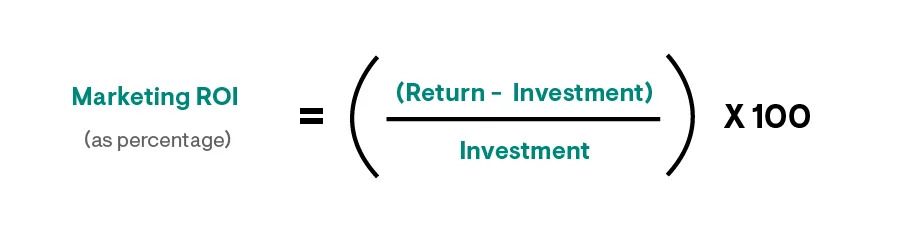
Marketing ROI
Attributed Revenue − Marketing Cost) ÷ Marketing Cost × 100
Illustrative social media campaign example
Consider a hypothetical business investing in monthly social media marketing.
| Measurement | Illustrative result |
|---|---|
| Social Media Package – Content and management | AED 1,250 |
| Advertising spend | AED 5,000 |
| Total investment | AED 8,500 |
| Enquiries generated | 50 |
| Qualified leads | 20 |
| Customers acquired | 5 |
| Cost per enquiry | AED 170 |
| Cost per qualified lead | AED 425 |
| Customer acquisition cost | AED 1,700 |
These figures are examples for demonstrating the calculations, not actual Si3 Digital client results or UAE industry benchmarks.
For accurate reporting, businesses should track the complete customer journey and avoid counting the same lead or revenue multiple times across different platforms.
How often should social media performance be reviewed?
Active paid campaigns should be monitored regularly to identify delivery problems, unexpected spending and changes in conversion performance.
A monthly review can then assess:
- Overall campaign performance.
- Content quality and audience response.
- Qualified enquiries.
- Advertising expenditure.
- Cost per lead.
- Customer acquisition.
- Opportunities for improvement.
The review frequency should reflect the size and activity of the campaign.
15. Common Social Media Marketing Mistakes Businesses Should Avoid
Businesses can spend considerable time and money on social media without achieving meaningful results if their strategy is not aligned with customer needs.

1. Being active on every platform
Managing too many platforms can spread resources too thinly.
Start with the channels most relevant to your target audience.
2. Focusing only on followers
A larger follower count does not automatically mean more customers.
Measure meaningful engagement, enquiries and conversions.
3. Publishing repetitive promotional content
Constant sales messages can make a business page less useful to its audience.
Balance promotional posts with educational, informative and customer-focused content.
4. Ignoring video content
Where video is relevant to the audience and business, ignoring it can limit opportunities to demonstrate products and services.
5. Running advertisements without conversion tracking
Advertising should be connected to measurable actions such as forms, calls, WhatsApp enquiries and purchases.
6. Using the same content on every platform
Different platforms have different audiences, formats and communication styles.
Adapt content instead of publishing identical material everywhere.
7. Not responding to enquiries
Social media marketing can generate customer interest, but delayed responses may affect the customer experience and potential conversion.
8. Failing to assess lead quality
A large number of enquiries does not necessarily mean a successful campaign.
Review how many enquiries are relevant and how many become customers.
9. Using AI-generated content without review
AI can support content production, but inaccurate information, generic messaging and unsuitable visuals can damage brand credibility.
10. Treating social media as a standalone marketing channel
Social media should work alongside the website, SEO, paid search, email marketing and customer relationship management where appropriate.
16. How Can Si3 Digital Help with Social Media Marketing in Dubai?
Social media marketing should be planned around the business’s target audience, industry, marketing objectives and available resources.
Si3 Digital provides digital marketing services for businesses in Dubai and across the UAE, supporting online visibility, audience engagement and lead-generation activities.
With over 15 years of experience in the UAE digital market, Si3 Digital can support businesses with:
Social Media Strategy
Planning platform selection, content categories, audience targeting and campaign objectives around business requirements.
Social Media Management
Managing business profiles, publishing content and maintaining a consistent social media presence.
Content Creation
Developing social media graphics, captions, short-form videos and other content formats.
Social Media Advertising
Planning and managing paid campaigns across suitable platforms to support awareness, website traffic and lead generation.
Influencer Marketing Support
Helping businesses evaluate creator suitability and plan campaigns around relevant audiences and measurable objectives.
Performance Reporting
Reviewing social media activity, advertising results, enquiries and relevant performance indicators.
Integrated Digital Marketing
Connecting social media marketing with AI SEO, Google Ads, website development and other digital marketing activities where appropriate.
Rather than assuming every business needs the same platforms or content frequency, Si3 Digital considers the business model, target audience and agreed deliverables when planning its marketing activities.
Explore Si3 Digital’s Digital Marketing Services and Business Packages to learn more about the available services and solutions.
17. Frequently Asked Questions About Social Media Marketing in Dubai
1. What are the biggest social media marketing trends in Dubai for 2027?
Important areas for businesses to evaluate include short-form video, authentic brand storytelling, creator partnerships, AI-assisted content production, platform-specific strategies and performance-driven advertising. Their suitability depends on the target audience and business objectives.
2. Which social media platforms are most popular in the UAE?
Instagram, TikTok, YouTube, Facebook, LinkedIn and Snapchat are among the platforms businesses may consider. DataReportal’s Digital 2027 UAE report provides advertising-reach and digital audience estimates, but these should not be confused with verified active-user figures.
3. Which social media platform is best for business in Dubai?
There is no single best platform for every business. Instagram and TikTok can suit visual consumer brands, LinkedIn is relevant to B2B businesses, YouTube supports educational and demonstration content, and Facebook can support local engagement and advertising.
4. Is Instagram or TikTok better for marketing in the UAE?
Instagram and TikTok offer different opportunities. Instagram supports visual brand communication, Stories and customer interaction, while TikTok provides opportunities for short-form video discovery and creator-led content. Businesses should test both where suitable and compare relevant results.
5. Is LinkedIn effective for B2B lead generation in Dubai?
LinkedIn can support B2B marketing by helping businesses communicate expertise, reach professional audiences, develop relationships and promote business services. Its effectiveness depends on targeting, content quality, campaign execution and follow-up.
6. How often should a business post on social media?
There is no universal posting frequency. Businesses should choose a sustainable schedule based on available resources, audience response and marketing objectives. A starting plan might include two or three short videos and one or two educational posts each week.
7. What type of social media content works best for UAE businesses?
Useful formats include short-form videos, product demonstrations, educational posts, customer experiences, behind-the-scenes content, project showcases and informative carousels. The best content depends on the industry and intended audience.
8. Is short-form video important for social media marketing in 2027?
Short-form video remains an important format to consider across Instagram, TikTok and YouTube Shorts. It can help businesses demonstrate products, explain services and introduce their brand. Performance should be evaluated using audience retention, relevant engagement and conversions.
9. How much does social media marketing cost in Dubai?
Costs vary according to the number of platforms, content volume, video production, community management, advertising management and campaign requirements. Businesses should compare the scope of work and separate agency fees from advertising spend.
10. How much should a business spend on social media advertising?
The appropriate budget depends on the target audience, campaign objective, competition, expected advertising costs and customer value. Businesses should establish a realistic test budget and evaluate performance before increasing investment.
11. How can businesses generate leads through Instagram?
Businesses can publish relevant content, use suitable advertising campaigns, direct customers to service pages and provide clear enquiry options through forms, calls or WhatsApp. Enquiries should be tracked and assessed for quality.
12. How can businesses measure social media marketing ROI?
Businesses can compare attributable revenue with the total marketing investment. They should also track cost per enquiry, cost per qualified lead and customer acquisition cost to understand the commercial performance of their campaigns.
13. What is a good engagement rate for social media?
There is no universal engagement-rate target that applies to every platform, industry and account size. Businesses should compare performance over time using consistent calculation methods and relevant industry or platform-specific benchmarks.
14. How does influencer marketing work in the UAE?
Businesses collaborate with relevant content creators to introduce products or services to their audiences. Campaigns may use sponsored content, demonstrations, reviews or promotional offers. Businesses should evaluate audience relevance, creator credibility, campaign results and applicable UAE advertising requirements.
15. Do influencers need an advertising permit in the UAE?
Certain individuals carrying out social media advertising activities require an Advertiser Permit under UAE requirements. The applicable rules and exemptions depend on the individual and activity. Businesses should verify current requirements through the official UAE authority before arranging a campaign.
16. Can AI manage social media marketing?
AI can support content planning, caption drafting, idea generation, reporting and workflow automation. However, human review remains important for accuracy, originality, brand communication and regulatory compliance.
17. Should businesses target UAE residents and tourists separately?
Separate targeting can be useful when residents and tourists have different needs, offers or purchasing behaviour. For example, hotels and restaurants may develop different messages for local customers and visitors.
18. What is the difference between social media management and social media marketing?
Social media management generally covers the ongoing operation of business profiles, content publishing and community interaction. Social media marketing is broader and can include strategy, paid advertising, audience targeting, lead generation, campaign optimization and performance measurement.
19. How long does social media marketing take to generate results?
There is no guaranteed time frame. Paid campaigns may generate visibility and enquiries sooner, while organic content and audience development generally require consistent effort. Actual results depend on the offer, audience, content quality, competition and conversion process.
20. Should a business hire a social media marketing agency in Dubai?
An agency may be useful when a business needs professional strategy, content production, campaign management, advertising expertise and reporting. Before selecting an agency, review its capabilities, deliverables, communication process and approach to measuring business results.
Conclusion: Make Social Media Marketing Trends in 2027 Work for Your Business
Social media marketing in Dubai is not simply about maintaining active business profiles or publishing content regularly.
Businesses need to understand their audiences, choose suitable platforms, communicate useful information and develop campaigns that support measurable objectives.
Short-form videos, authentic content, influencer collaborations and AI-assisted production can all contribute to a modern social media strategy. However, their value depends on how effectively they connect with the right audience and support the customer journey.
For businesses in the UAE, the priority should be to move beyond followers and engagement alone.
A well-planned strategy should connect brand visibility with website visits, enquiries, qualified leads and customer acquisition.
In 2027, successful social media marketing is not just about being visible. It is about being relevant, building trust and turning audience attention into measurable business growth.